
The Historical Formation of Patriarchy
The Second SexThis thread follows the book’s historical account from early survival conditions through property, law, and changing economies to the incomplete emancipation of modern women.
increasing Bearing strength in each event
 decreasing
Bearing strength in each eventdecreasingEarly Survival Conditions

Early Survival Conditions
Reproduction and hardship
De Beauvoir considers the burdens of pregnancy, childbirth, and frequent reproduction in early human communities. These pressures could limit women’s participation in hunting, defense, and the work needed to secure group survival.
Beyond biological need
Women and men were both necessary to the group, but necessity did not determine who would rule. De Beauvoir argues that human beings seek more than mere survival: they create projects and values that shape the meaning of life.
Risk and recognition
The ability to act, invent, hunt, and risk one’s life was granted prestige. Because women were often excluded from such activities, male activity came to represent transcendence, while women were associated with the repetition of life.
The Agricultural Mother
The Agricultural Mother
Land and fertility
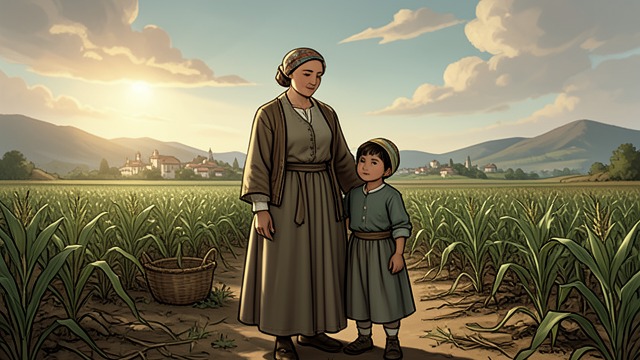
As communities settled and farmed, children and land acquired lasting importance. Maternal descent and collective property could give women religious and social prestige because the group imagined life continuing through women and the soil.
Prestige without sovereignty
De Beauvoir questions the claim that this was a true golden age of female rule. Women might be revered as mothers or goddesses while political authority and exchange remained in men’s hands.
The enduring asymmetry
Women’s sacred status did not make them equal subjects. Their power was defined and bestowed by male society, so veneration could coexist with guardianship and dependence.
Property and Paternal Descent
Property and Paternal Descent
Inheritance changes the family
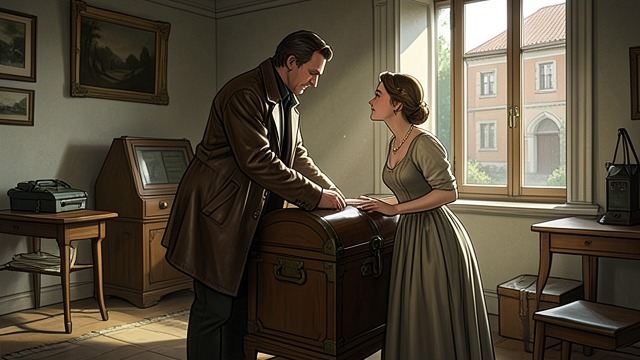
With new tools and expanding production, land and goods became property to be transmitted. Men sought control over heirs and lineage, and women’s sexuality became subject to rules meant to secure paternal inheritance.
Law turns dependence into order
Women were excluded from inheritance, placed under guardianship, and treated as part of a father’s or husband’s household. The shift from maternal to paternal descent made male authority appear both familial and legal.
A lasting structure
De Beauvoir presents this transformation not as a simple accident of technology but as an alliance of property, social power, and the desire to dominate. The resulting patriarchal order shaped women’s rights and daily lives for centuries.
Rights Within Unequal Societies
Rights Within Unequal Societies
Different laws, recurring dependence
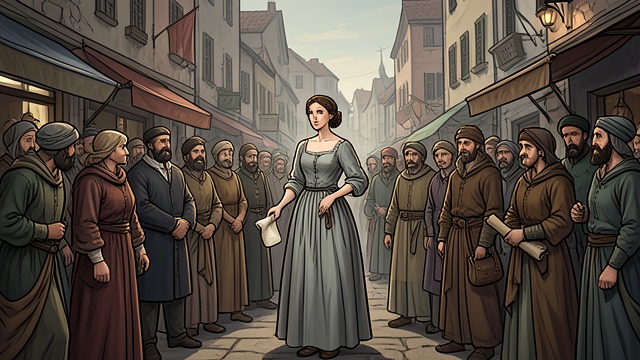
The historical survey compares women’s situations across societies, including Egypt, Greece, Rome, and medieval Europe. Legal capacities varied, but marriage, family authority, and property repeatedly limited women’s independence.
Partial openings
At particular times, women could inherit, manage property, participate in local life, or gain authority through sovereignty, religious office, or work. Such exceptions did not automatically change the position of women as a group.
Law and lived power
De Beauvoir stresses that abstract rights and concrete freedom do not always coincide. Economic roles, household authority, and access to public action determine whether legal status can become a real hold on the world.
Modern Emancipation Unfinished
Modern Emancipation Unfinished
Work changes possibilities
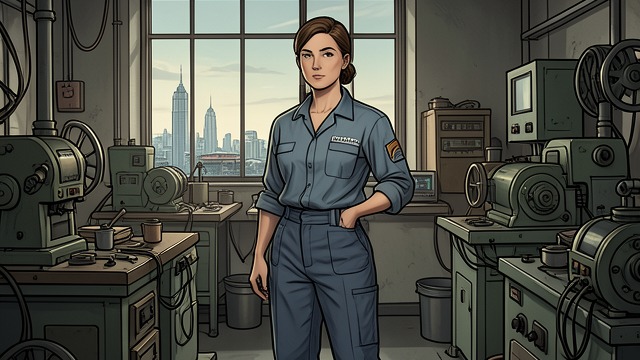
Industrial development draws women into paid labor, while contraception and social change begin to loosen the reproductive constraints that once confined them. Feminist movements press for civil, economic, and political rights.
Uneven gains
Legal reform and suffrage advance at different speeds across countries, while low wages, discrimination, and domestic responsibilities continue to restrict women. Employment may provide a basis for independence without guaranteeing it.
A transition, not an ending
De Beauvoir concludes that women’s status has changed but that patriarchal institutions and habits persist. Abstract rights do not ensure concrete equality; women’s liberation requires both economic autonomy and transformed social relations.
Volume I, Part Two, Chapter 1
Early agricultural societies
Rise of patriarchal property systems
Classical antiquity through the medieval period
Nineteenth century through the 1940s
